
Dr Cecilia Ansalone
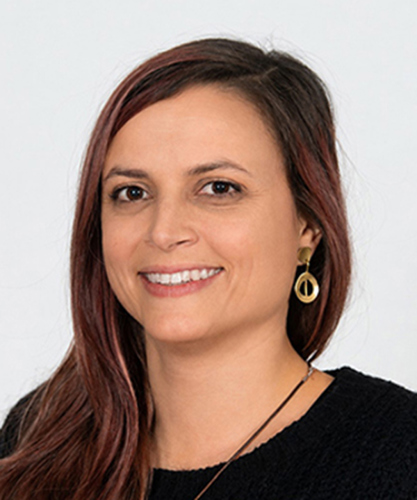
Dr Cecilia Ansalone
Research Fellow (Immunology & Infection), University of Glasgow
ORCiD: 0000-0001-8683-1718
"I am a tissue immunologist at the University of Glasgow and, for over a decade, my research has focused on understanding how immune cells organise within tissues to sustain chronic inflammation and tissue damage.
More recently, I have applied this expertise to giant cell arteritis, combining tissue immunology, spatial biology, and translational approaches to dissect the mechanisms driving persistent and treatment-resistant inflammation directly within the vessel wall."
Areas of professional expertise
- Immunology expert at the University of Glasgow
- Studies how immune cells behave in disease
- Focuses on improving treatments for inflammatory conditions.
Qualifications and credentials
- Doctor of Philosophy - PhD Immunology, University of Glasgow
- Master's degree Chemistry and Pharmaceutical Technologies, Università degli Studi di Napoli Federico II, Naples, Italy.
Selected research and publications
Ansalone, C. et al. (2026) Spatial profiling of giant cell arteritis tissues reveals immune heterogeneity and potential predictors of glucocorticoid response. Annals of the Rheumatic Diseases, 85(3), pp. 534-546. (doi: 10.1016/j.ard.2025.09.009) (PMID:41109780)
Arthritis UK research projects
What is your fellowship project aiming to do?
"My fellowship project focuses on giant cell arteritis (GCA), a severe inflammatory disease of blood vessels that can lead to blindness, stroke, and long-term disability. Many patients also experience profound musculoskeletal inflammation, including symptoms overlapping with polymyalgia rheumatica and inflammatory arthritis. The project aims to understand how B cells and macrophages accumulate and interact within the inflamed vessel wall to sustain chronic inflammation, tissue damage, and disease relapse."
Why is your research important?
"This research is important because treatment options for GCA remain extremely limited. Most patients are still treated with long-term steroids, which can cause major side effects, particularly in the older population affected by the disease. Despite the severity of GCA, we still understand surprisingly little about the mechanisms driving persistent inflammation and relapse. More broadly, understanding how chronic and treatment-resistant inflammation persists within tissues remains one of the major unanswered questions across immune-mediated inflammatory diseases."
What will the impact be for people with arthritis/MSK disorders?
"Through this fellowship, I hope to identify new tissue-based pathways and immune signatures that could help stratify patients and support the development of safer and more effective therapies. By characterising the mechanisms sustaining chronic and treatment-resistant inflammation in GCA, this work may also provide insights relevant to other inflammatory and musculoskeletal diseases where persistent tissue inflammation drives long-term damage and treatment failure."
"This fellowship will allow me to expand patient-centred research in GCA and continue bridging biology mechanisms with therapeutic discovery"
Affiliations
- Immunology & Infection, University of Glasgow
- Member of the American College of Rheumatology 2015 - present
- Member of EMEUNET 2014 - present
- Member of British Society of Immunology 2013 - 2016
Contacts
- University of Glasgow - Schools - School of Infection & Immunity - Staff A-Z - Cecilia Ansalone
- Cecilia Ansalone - Google Scholar