
Professor Andrew McCaskie, Centre Director
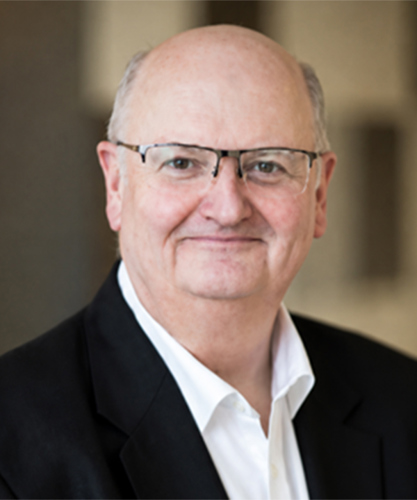
Professor Andrew McCaskie
Deputy Head of the School of Clinical Medicine & Professor of Orthopaedic Surgery at University of Cambridge
Centre Director - Tissue Engineering and Regenerative Therapies Centre
ORCiD: 0000-0001-6476-0832
"As a surgeon interested in research, I have, over many years, looked to contribute to new treatment development, particularly in osteoarthritis, where there are around 10 million people affected in the UK alone.
When it comes to treatment, we often imagine a completely worn and destroyed joint, which causes significant pain and limited function. For this type of end-stage disease, we have developed an excellent treatment in the form of joint replacement, with hip replacement described in the 1990s as the ‘operation of the century’."
Areas of professional expertise
- Professor of Orthopaedic Surgery University of Cambridge
- Develop innovative therapies for musculoskeletal disease
- Focuses on cartilage injury and osteoarthritis.
Qualifications and credentials
- Deputy Head of the School of Clinical Medicine - Cambridge University
- Professor of Orthopaedic Surgery - Cambridge University
- Head of Surgery Department - Cambridge University
Research and publications
McCaskie, A.W.; Grover, L.M. (2023) Tissue engineering and regenerative therapies Bailey and Love’s: Short Practice of Surgery: 28th Edition PP 39-49 (DOI: 10.1201/9781003106852-5) (ISBN: 9781000842692 9781003106852)
Research centre information
Professor Andrew McCaskie is Centre Director of the Tissues Engineering and Regenerative Therapies Centre. Research at this centre aims to regenerate bone and cartilage by using the patients’ own stem cells to repair joint damage caused by osteoarthritis.
What is your research centre aiming to do?
"We have been able to develop new types of MRI imaging techniques, where an individualised cartilage map can be created for a patient. Work at Oswestry over many years aimed to understand and develop cartilage cell therapy to repair early cartilage damage. This contributed to the evidence for it to be approved by NICE and adopted by the NHS. We have gained insights into the bioprinting of cells and cell signalling with extracellular vesicles. More recently we have been working on stratification of patients, working with artificial intelligence, we used machine learning to identify a sub-group of patients with a rapid rate of osteoarthritis progression compared to other patients."
Why is your research important?
"My research aim is to develop innovative therapies for musculoskeletal disease, particularly in cartilage injury and osteoarthritis (OA) which affects over 8 million people in the UK alone. I am currently developing translational pathways for regenerative therapy in this area, linking laboratory research with clinical treatment, including clinical trials."
What will the impact be for people with arthritis/MSK disorders?
"These types of research contribute to patient matching to treatment. Such stratification and grouping of people based on specific characteristics is very important, so that the right patient gets the right treatment at the right time."
Right person, right time, right treatment: the stratified future of osteoarthritis care.
Related projects
-
Tissue Engineering and Regenerative Therapies Centre
Research at this centre aims to regenerate bone and cartilage by using the patients’ own stem cells to repair joint damage caused by osteoarthritis.
-
Tissues Engineering and Regenerative Therapies Centre Impact Report
Discover how the Tissue Engineering and Regenerative Therapies Centre is advancing osteoarthritis diagnosis, regenerative therapies and tissue engineering to improve patient outcomes.